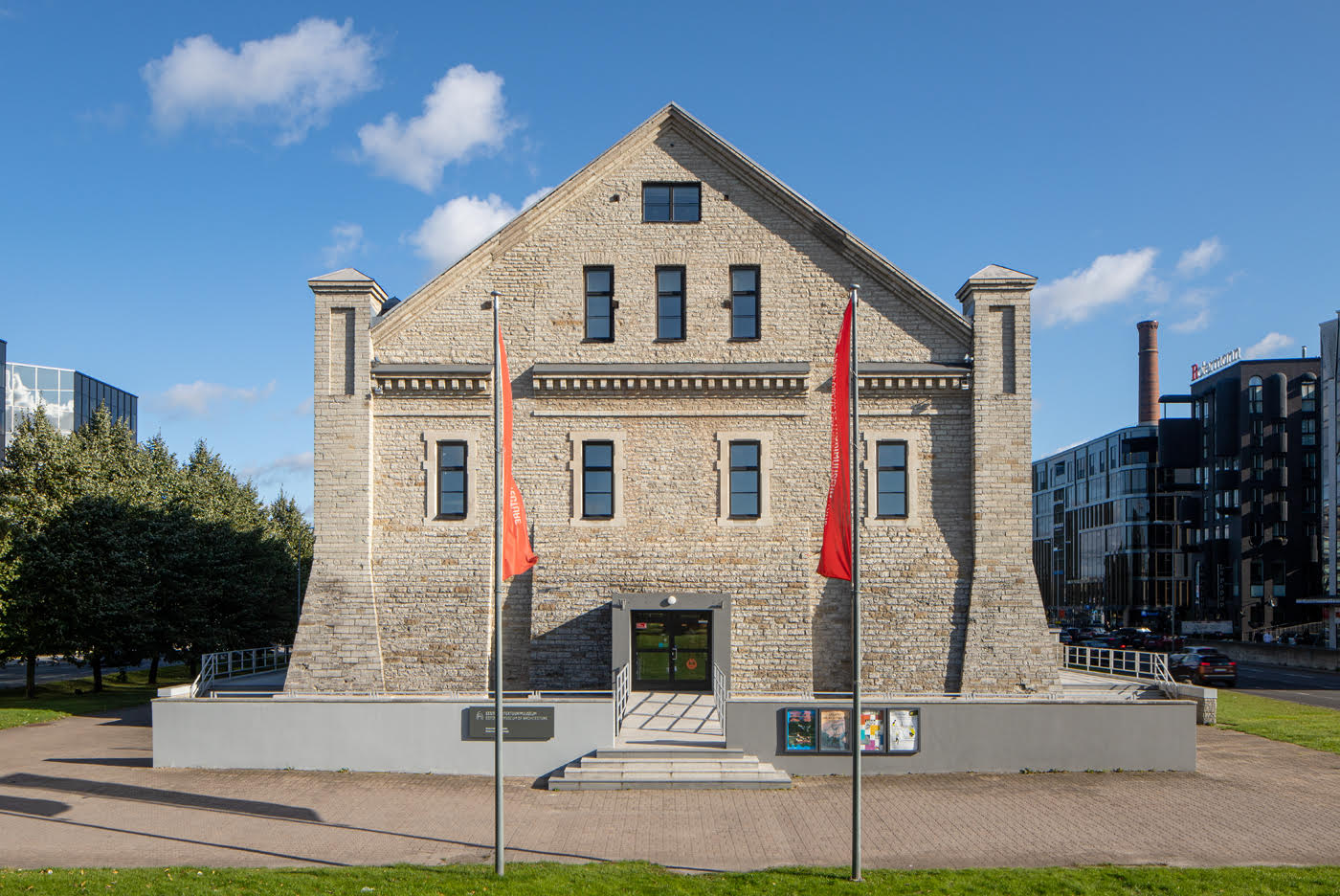
-
-
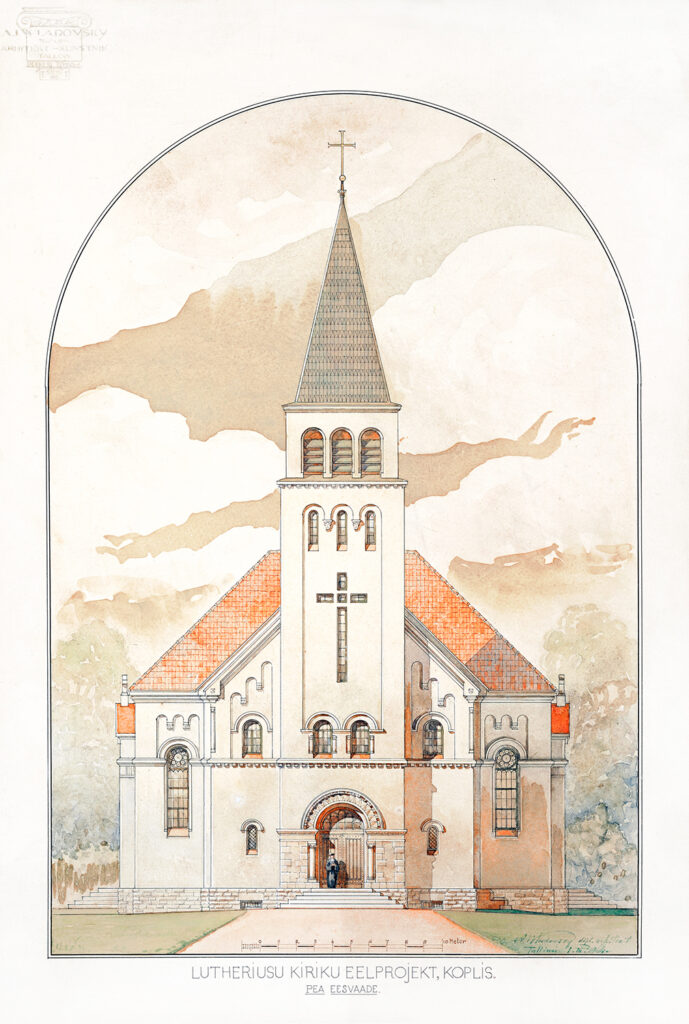
Preliminary project of the Lutheran Church in Kopli, 1944
Aleksandr Wladovsky, 1944. EAM 3.4.56
Lutheran church in Kopli, Tallinn
This church is a special milestone in church architecture, as one of the last designed sacral buildings before the Soviet occupation in 1944, which denied religion on an ideological basis. The construction of the Lutheran church was planned in the Bekker settlement in the late 1930s, when the congregation rooms proved to be too small for the expanding Kopli industrial settlement. Back then the area plan for the entire city district needed to be prepared before the church building could be designed. The location of the church was to be close to the Kopli Cemetery, on the edge of a new garden suburb. The preliminary project in watercolours was donated to the museum in 2012 by Hilja Väravas. Text: Sandra Mälk
-
-
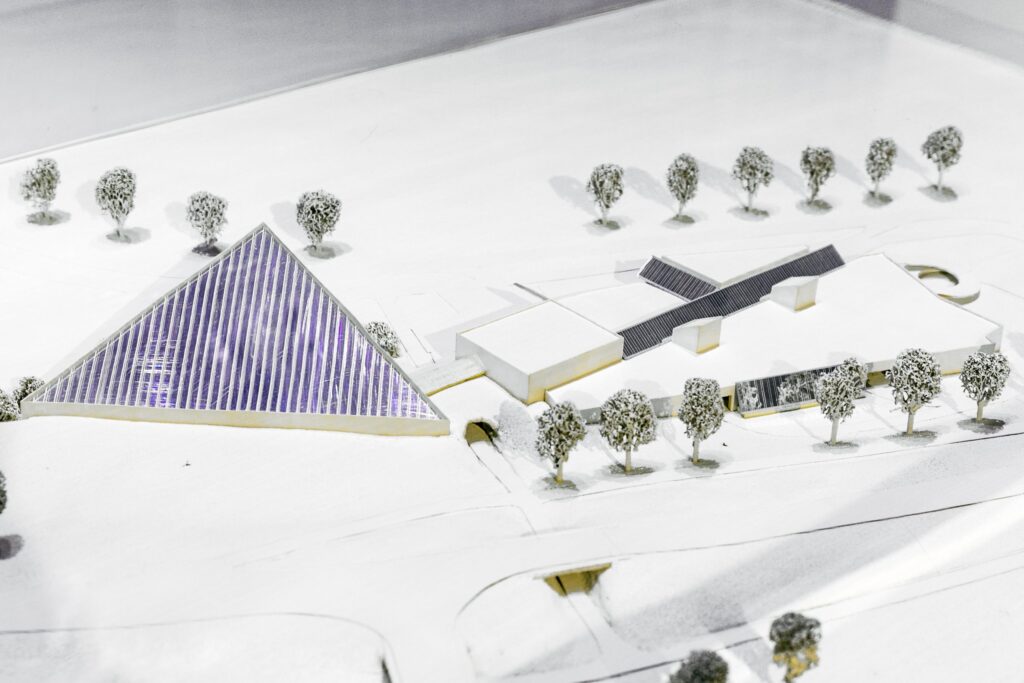
Shopping centre in Rovaniemi, Mai Šein
-
-
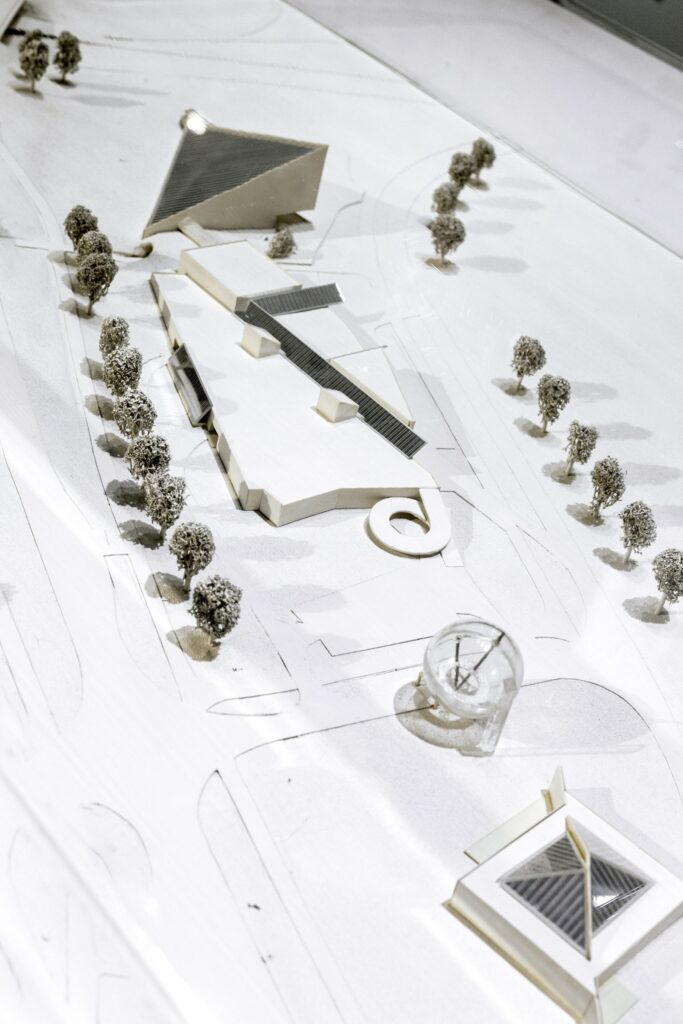
Shopping centre in Rovaniemi, Mai Šein
Mai Šein, 1990–1991. EAM MK 251
EMA 30 / Tiny tour of models: Shopping centre for Rovaniemi
In 1990, Rovaniemi County organised a competition for the construction of a shopping centre and hotel complex in Rovaniemi opposite the Arktikum Science Centre across the Ounasjoki River. The centre was intended to house the county government, a hotel, shopping centre and market. The Arctic Circle and Santa Claus Village, a couple of kilometres away, were going to be marked with a special gateway. Architecture firms from Rovaniemi, Oulu and Kemi were invited to participate in the competition. The competition was won by architect Mai Šein, representing the Finnish architectural firm Poskiparta OY. Mai Šein: “I associate Lapland with mountains, so I made a large pyramid-shaped hotel and for the gate I planned a giant openwork globe, positioned above the driveway. The two polar circles were marked; the Antarctic Circle was a footpath for walking along, and the city of Rovaniemi was marked on the Arctic Circle. The adjacent area was an empty site and the participants had to make suggestions about how it could be used. I designed a square building and called it the Nabatorium. A granite wall divided the building diagonally in two – on one side was the South Pole with penguins, on the other the North Pole with polar bears.” Due to an economic downturn, the complex was never built. Mai Šein donated the model to the Estonian Museum of Architecture in 2019. Text: Anne Lass
-
-
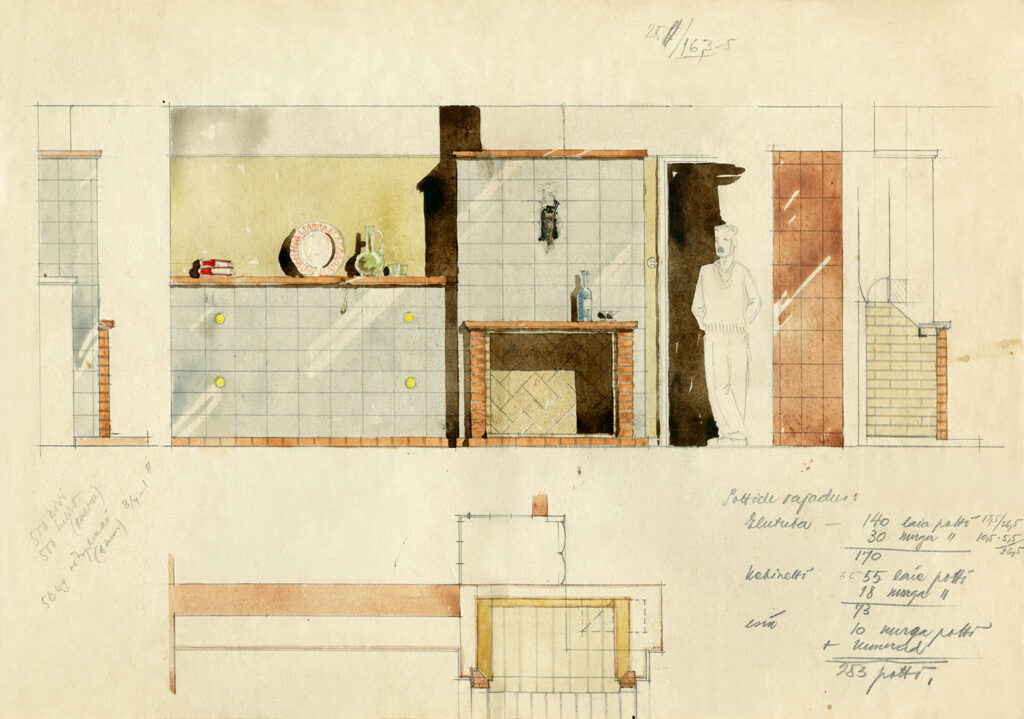
Fireplace design by architect Peeter Tarvas for his home in Maarjamäe
Peeter Tarvas, 1946. EAM 40.1.48
Fireplace in the architect’s house in Tallinn
Several designs of Peeter Tarvas’s cosy fireplace, in his house under construction in Maarjamäe, have been preserved. On this drawing the architect has depicted the fire chamber in the front view and from the sides, providing its cross-section from above in the bottom part of the drawing. The edges of the drawing show calculations about the number of tiles needed, revealing how many tiles are required for the living room, the hall and the private office. The architect has drawn himself standing next to the fireplace for scale. The watercoloured drawing holds now a place in Peeter Tarvas’s personal collection in the museum. The work was donated by Maria Tarvas in 2006. Text: Sandra Mälk
-
-
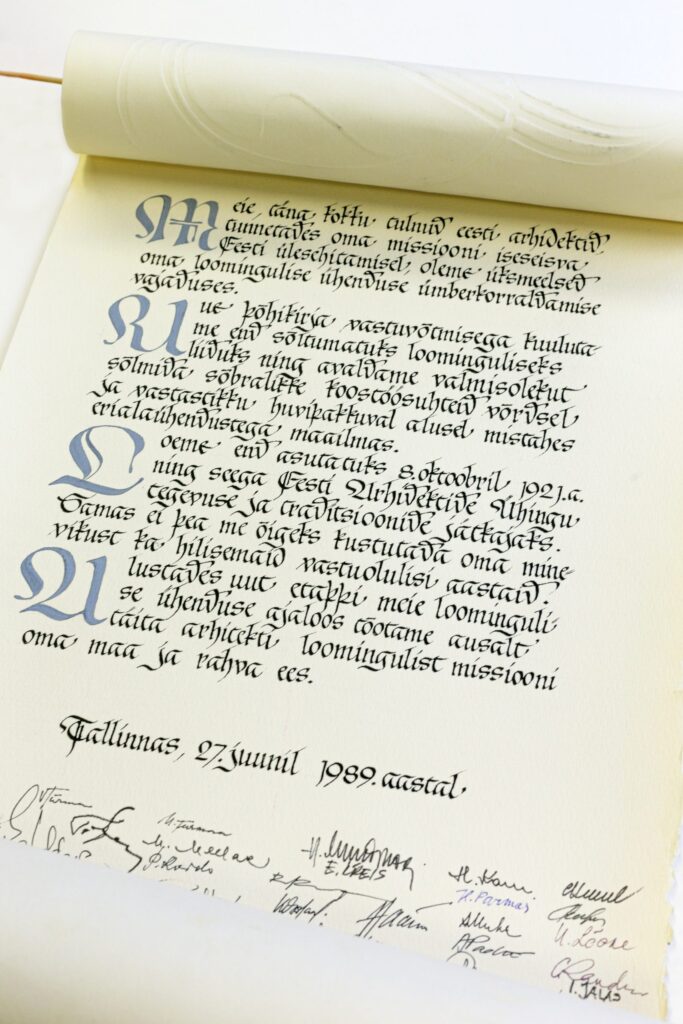
Festive document for the re-establishment of the Estonian Association of Architects
-
-
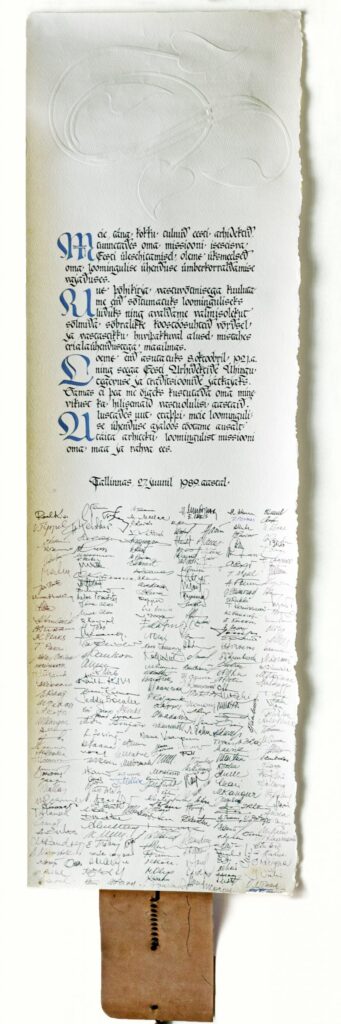
Estonian Association of Architects document
-
-
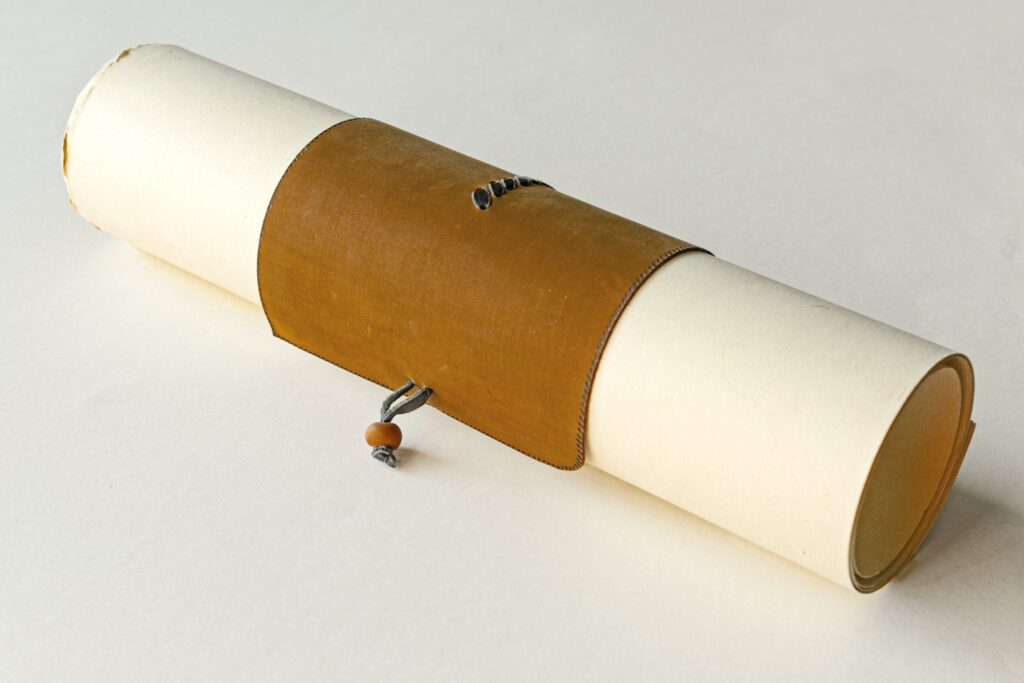
Estonian Association of Architects document
Document of the EEA,1989. EAM 10.4.9
Festive document for the re-establishment of the Estonian Association of Architects
The Estonian Association of Architects was the first of the creative associations to strive for independence in the late 1980s and to break away from the all-union USSR Union of Architects. The first groundbreaking decision was taken one day in November 1987, when a meeting was held to discuss the association’s activities. The architects decided that from now on the beginning date of the creative union should no longer be known as 1944, but the day of the establishment of the Estonian Union of Architects on October 8, 1921. The following year, by the initiative of architect Leonhard Lapin, the union decided to continue as an independent association. For this, a ceremonial document was drawn up in 27 June 1989. This beautiful document with a calligraphic text and the signatures of the architects made it possible to summon the official charter that was registered in November 1989. By this general assembly of the EEA selected the first board and architect Ike Volkov as the first chairman of the association. The master of the leatherwork that holds the paper document together is Aime Pralla. The EEA gave the document to the museum for the safekeeping in 1998. Text: Sandra Mälk (click on the image to see more photos)
-
-
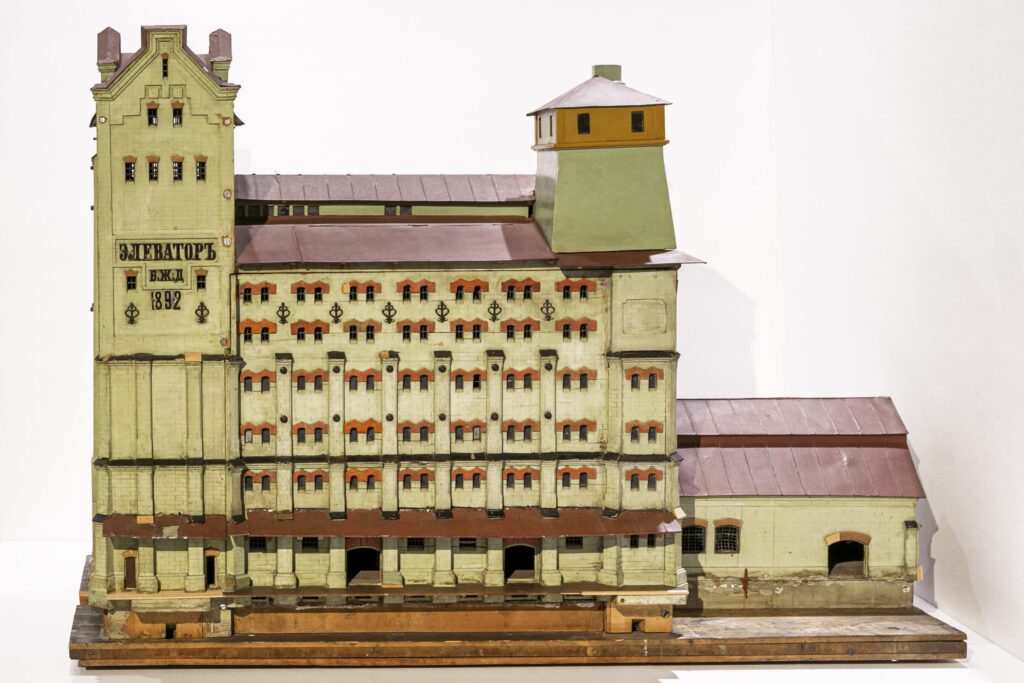
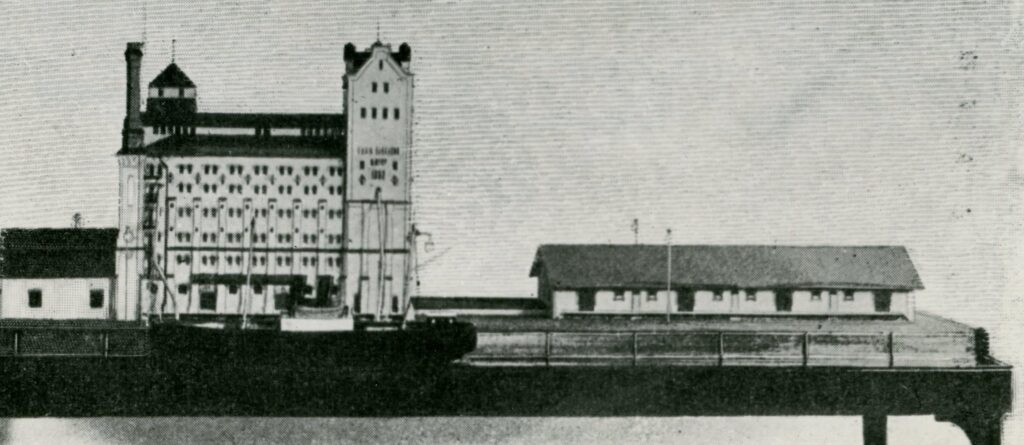
Model of the grain elevator in Tallinn harbour, 1899
-
-
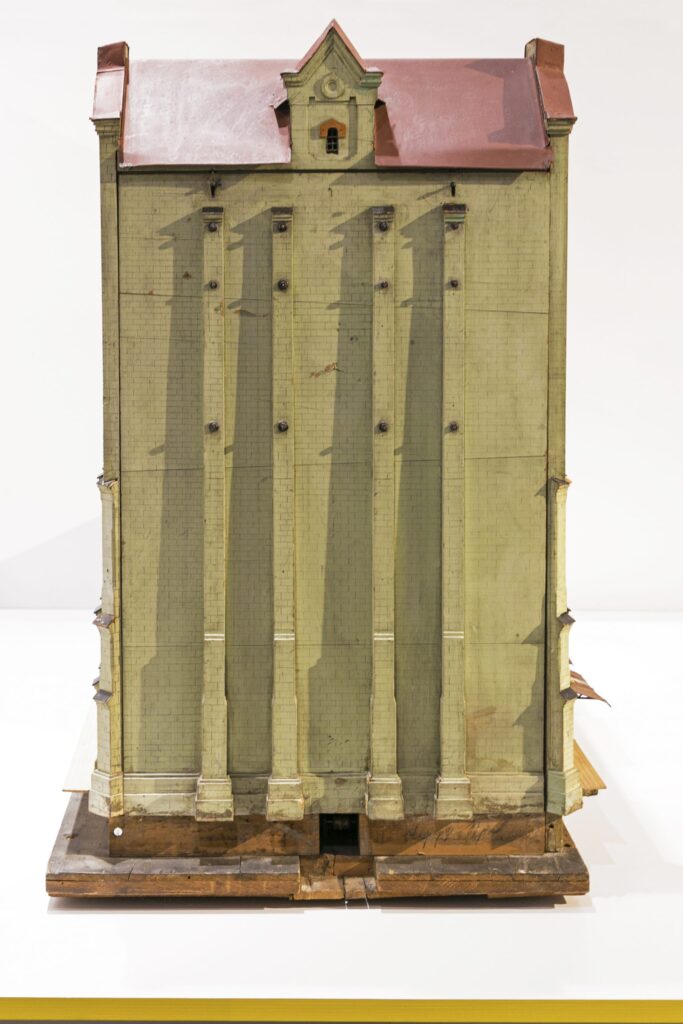
Tallinn harbour grain elevator, side view of model, 1899
-
-
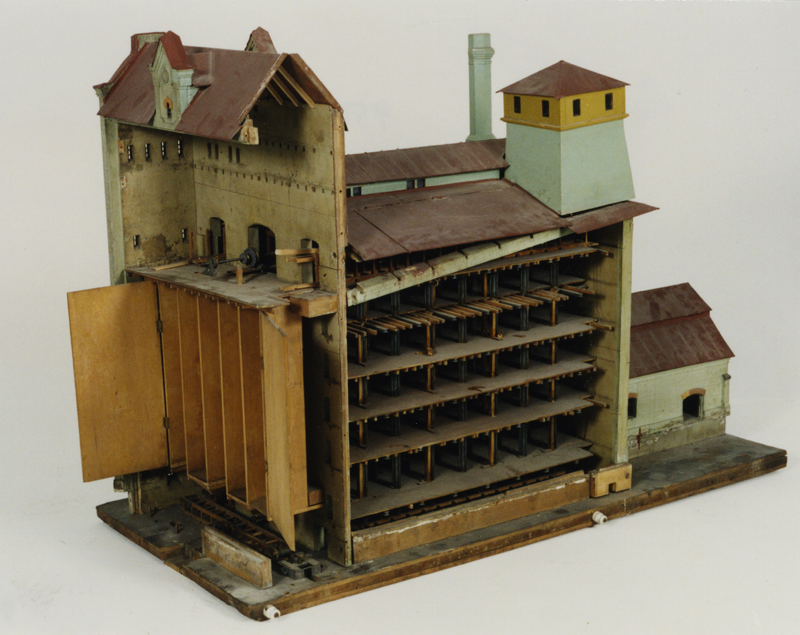
Tallinn harbour grain elevator
-
-
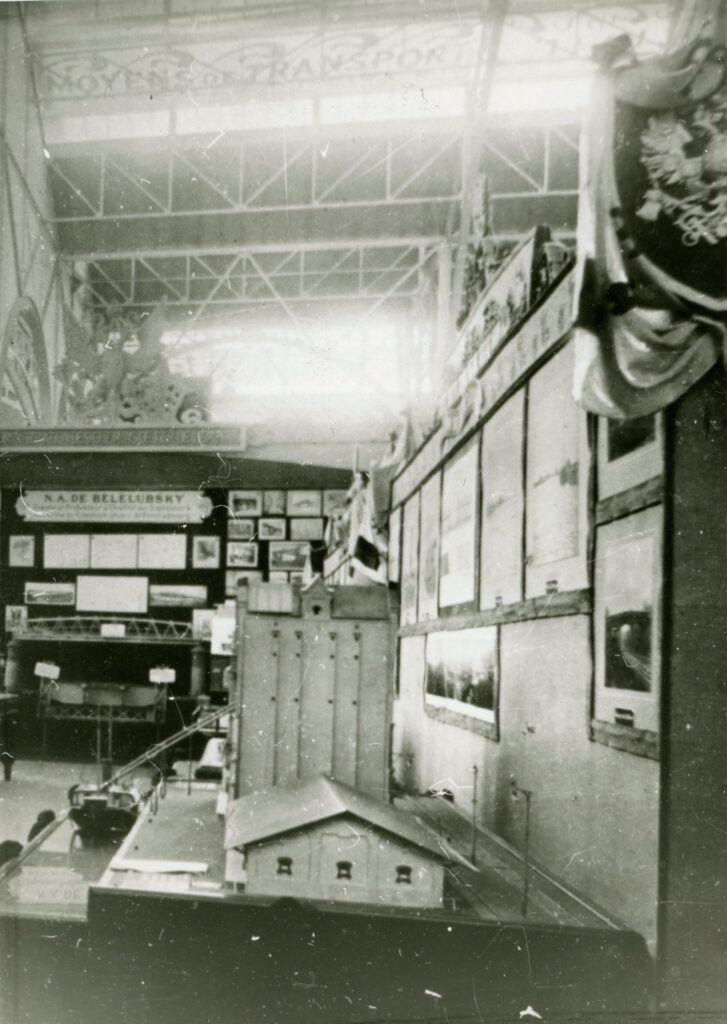
Model exhibited at the Paris Exposition Universelle, 1900
-
-
In the catalogue of the Ministry of Roads Museum, 1902
Anton Klevchshinsky, Feodor Yenakiyev, 1892–1893. Scale model: J. Kangro, K. Asik (woodwork), Krasimoshev, O. Sakker (metalwork), 1899. EAM MK 61
EAM 30 / Tiny tour of models: Tallinn harbour grain elevator
In 1893, a huge 6-storey limestone grain elevator with a 30-metre tower was completed on Viktoria quay at the harbour in Tallinn. At the time it was one of the largest and most modern in tsarist Russia, holding more than 3,000 tons of grain that could be mechanically loaded directly from wagons to ships. The elevator was designed by architect and academic Anton Klevchshinsky and engineer Feodor Yenakiyev, both from St Petersburg. A model of the building was completed in 1899 and was shown a year later at the 1900 Paris Exposition. The model is extremely detailed, there are various mechanisms in the interior that were originally able to move. The scale model’s journey to the Museum of Estonian Architecture has been a long one. After the exposition in Paris it was given to the Museum of the Ministry of Transport in St Petersburg. In 1971, the model came to Estonia and for 30 years was on display at the Railway Museum in the main building of Baltic Station. From there it found its way to the Estonian History Museum which, in 2000, donated the model to the Estonian Museum of Architecture. The model was restored by Kanut restorers. Text: Anne Lass
-
-
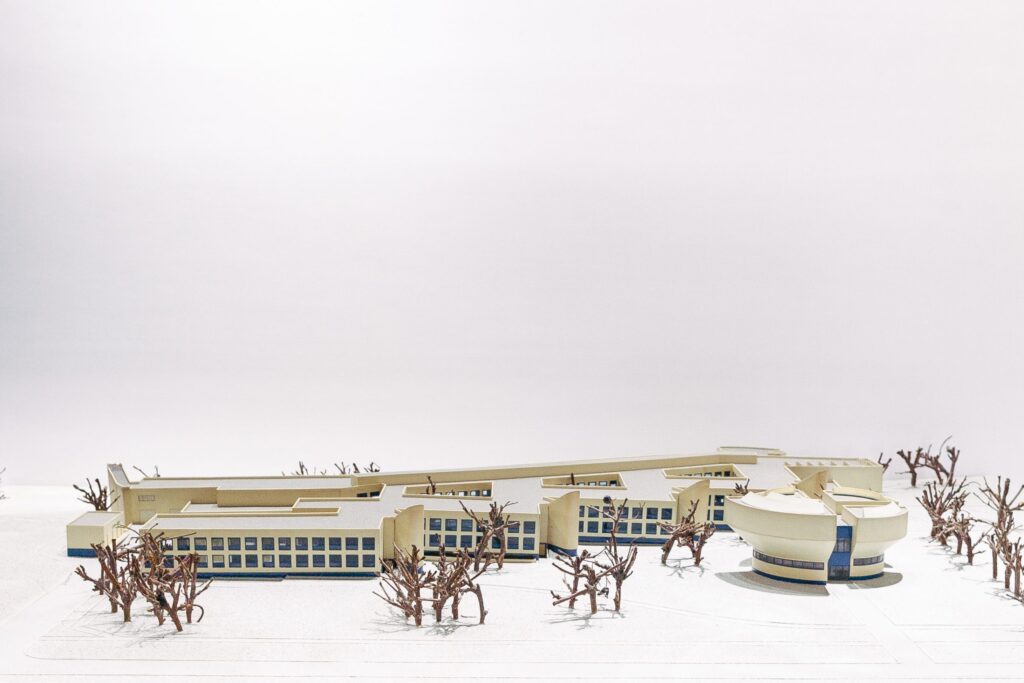
Estonian Agricultural Academy (currently Estonian University of Life Sciences) in Tartu. Valve Pormeister, 1976
-
-
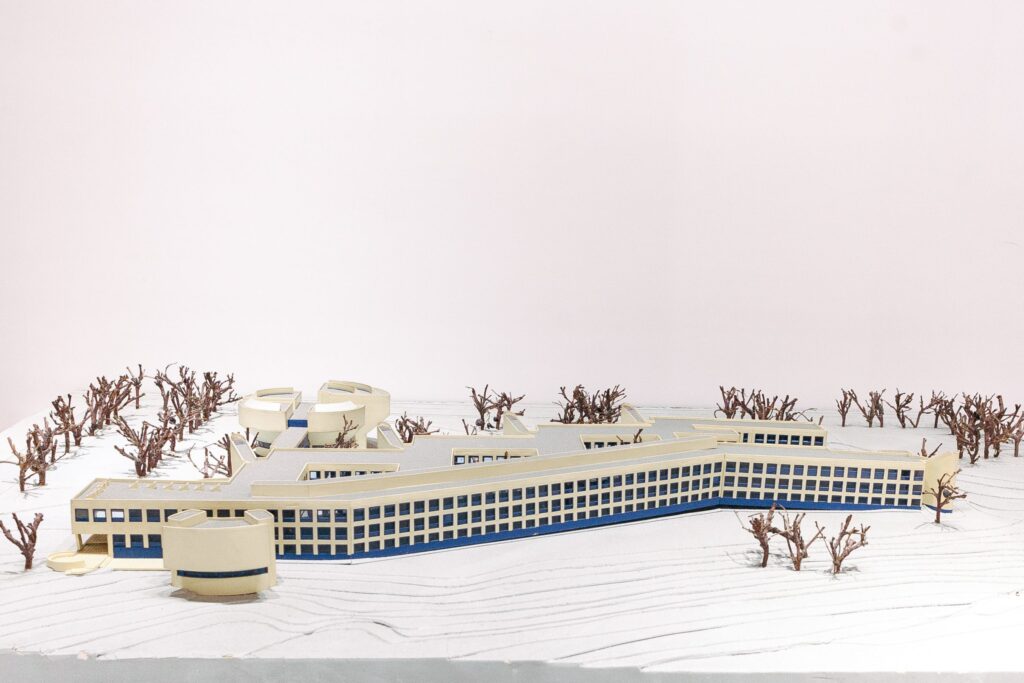
Estonian Agricultural Academy (currently Estonian University of Life Sciences) in Tartu. Valve Pormeister, 1976
-
-
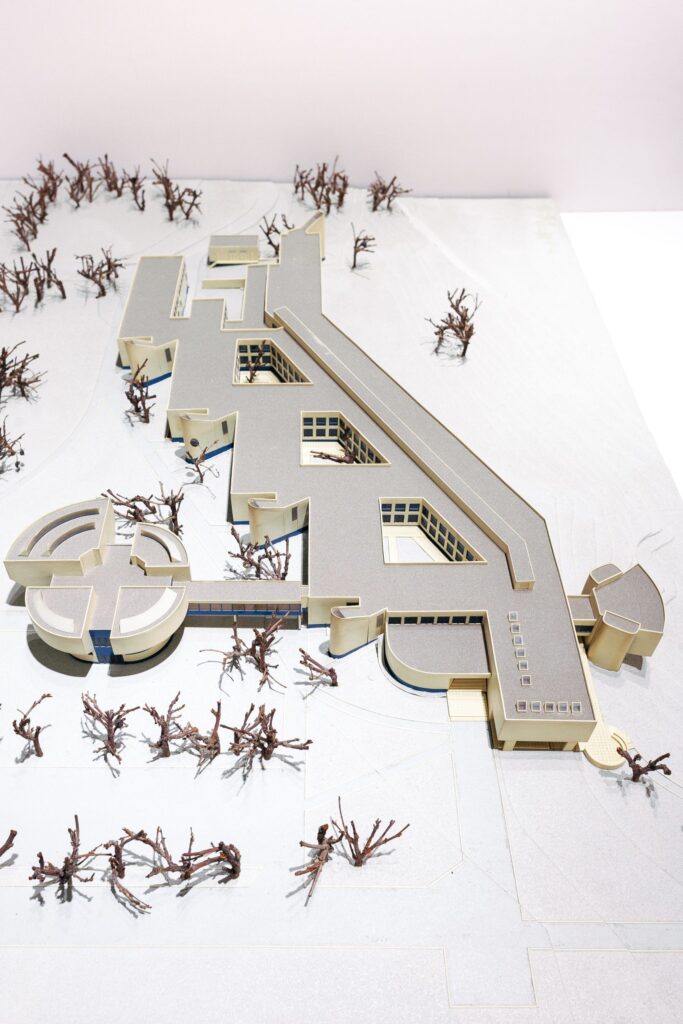
Estonian Agricultural Academy (currently Estonian University of Life Sciences) in Tartu. Valve Pormeister, 1976
Valve Pormeister, 1979. EAM MK 248
EMA 30 / Tiny tour of models: Estonian Agricultural Academy (currently Estonian University of Life Sciences) in Tartu
The construction of the new building complex for the Estonian Agricultural Academy in Tähtvere at the north-western border of Tartu was already launched in the 1960s. The Faculty of Forestry and Agricultural Mechanics building, designed by architect Valve Pormeister, was completed in 1983. This was one of the largest new buildings in Tartu, and the one with the most complex layout. The building consists of two contrasting structures intersected by three trapezium-shaped courtyards. The stepped main facade is articulated by round windowless stairwell towers, while the part of the building facing the river has a more laconic design. The massive circular auditorium was never built. The model was handed to the museum by the Estonian University of Life Sciences in 2019. Text: Anne Lass
-
-
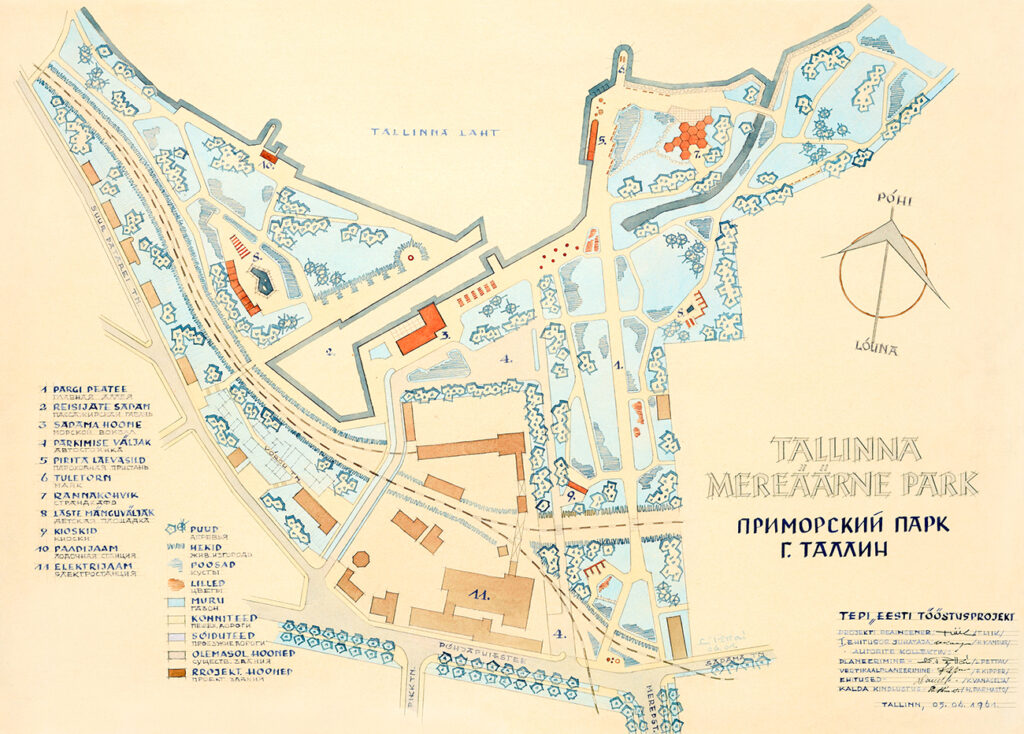
Tallinn Waterfront Park, 1960
Lidia Pettai, 1961. EAM 15.4.150
Seaside park in Tallinn
60 years ago, the opening of the Tallinn sea border was under discussion with the intention of turning it into a green area with port facilities. Back then, In the 1960s, and primarily at Finland’s initiative, plans were made to clear up all the areas surrounding the port with regard to the reopening of the Tallinn-Helsinki seaway and the construction of the passenger port. The seaside area – in the immediate proximity of Old Town – was partly in the military zone and opening it up to the city became a lively issue. Although, only a handful of buildings were fixed up during the Soviet era. New buildings were due to be constructed in the densely built-up industrial area together with the main park road that was in the direction of Mere Boulevard (No. 1), such as the beach café (7), the port building (3) and children’s playgrounds (8). A team of architects worked with the design at the Eesti Tööstusprojekt. Kalju Vanaselja designed the buildings and H. Parmasto behind the schemes of coastal reinforcements. The plan was designed by architect Lidia Pettai, whose watercoloured work was given to the museum in 2012 by Reet Priilaht. Text: Sandra Mälk